Traits of Fire Service Leader

Fire service leadership is essential in maintaining the safety of communities and firefighters. It is a crucial element that can either make or break the effectiveness of fire service operations. Fire service leaders must be able to manage their teams with a combination of technical expertise, compassion, and effective communication.

One key trait of effective fire service leadership is the ability to make quick decisions under pressure. Fires and emergencies can be unpredictable and require swift action. Leaders must be able to assess the situation and make informed decisions quickly, with the safety of their team and the community in mind.

Another crucial aspect of fire service leadership is effective communication. Leaders must be able to communicate with their teams clearly and effectively, as well as with other emergency responders and community members. This communication must be both verbal and written, and leaders must be able to convey complex information in a way that is easily understood.

Compassion is also an important trait in fire service leadership. Firefighters often deal with traumatic situations, and leaders must be able to provide emotional support and understanding to their team. This support can include everything from debriefing sessions to counseling services.

Finally, fire service leaders must have technical expertise in firefighting and emergency management. They must be knowledgeable in the latest technologies, firefighting techniques, and emergency management procedures. This expertise helps them make informed decisions that keep their teams safe and ensure the best possible outcomes for the community.

In conclusion, fire service leadership is a vital component of firefighting and emergency management. Effective leaders must possess a combination of technical expertise, communication skills, quick decision-making abilities, and compassion. By embodying these traits, fire service leaders can keep their teams safe and provide effective emergency services to the community.
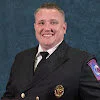
Dan Kramer

I am a fire and emergency services leader with experience spanning EMS operations, fire service administration, emergency management, public safety education, and organizational leadership. My work is centered on strengthening emergency response systems, developing high-performing teams, and creating practical solutions that improve service delivery for communities and frontline responders.

I currently serve as the Assistant Chief of Operations for Caldwell County ESD 5, an EMS-focused agency committed to delivering high-quality emergency medical care to Caldwell County, Texas. In this role, I help oversee district-level operations, clinical performance, personnel development, and agency initiatives that support operational excellence and provider success.

As the Owner and Program Director of Texas Rescue Med, I lead the development and delivery of emergency medical services education programs designed to prepare EMT, Advanced EMT, and Paramedic students for the realities of modern prehospital care. My work includes curriculum development, instructor coordination, strategic planning, compliance, and program growth, with a strong focus on student success and workforce readiness.

My background includes service in senior fire and emergency management roles, including Assistant Fire Chief, Deputy Fire Chief, Fire Chief, and Emergency Management Coordinator. These experiences have shaped my leadership philosophy around accountability, servant leadership, operational readiness, and investing in people.

I am passionate about helping public safety organizations improve culture, training, leadership development, and emergency service delivery. Whether leading an EMS agency, developing future clinicians, consulting with organizations, or teaching the next generation of responders, my goal remains the same: to build stronger systems, stronger leaders, and stronger communities.

https://www.chiefkramer.com
Previous
Previous

Remaining Relevant in Leadership: Strategies to Keep Up with Changing Times

Next
Next

Generational Differences in the Fire Service